Menu
Regain body confidence through state of the art technologies

Understanding Womb Care Therapy

The womb is the centrepiece of a woman’s reproductive system. It nurtures a baby through pregnancy, and month to month, it manages the menstrual cycle through a careful balance of hormones, cell growth and tissue renewal.

Motherhood changes the body in profound ways. After childbirth, the uterus needs time to contract back to its pre-pregnancy size, and many women feel discomfort, heaviness or tension in the lower abdomen during this process. Womb care therapy supports this natural recovery. It’s suited to new mothers, women who have experienced pregnancy loss, and those who simply want to look after their long-term reproductive wellness.

Why do you need a womb care therapy

Womb care therapy supports the body’s natural postpartum recovery in two ways: by encouraging circulation and easing muscle tension around the abdomen, and by supporting the uterus’s natural involution, its return to pre-pregnancy size, through gentle, consistent care. It’s suited to new mothers, women recovering from pregnancy loss, or anyone who wants to stay on top of their reproductive health.

Several factors can affect womb health and comfort. Here are some common causes.

Painful period

Conditions such as endometriosis and polycystic ovary syndrome (PCOS) can affect the structure and function of the womb, causing pelvic pain, heavy menstrual bleeding and irregular cycles.

After childbirth

Childbirth causes the uterus to contract, often felt as “afterpains”, as it works to return to its pre-pregnancy size. This can bring discomfort and pressure in the pelvic area.

Fertility

Hormonal fluctuations can affect the uterine lining, sometimes causing pain or discomfort. Addressing this supports comfort and overall reproductive wellness.

What makes M&G Aesthetics’ womb care therapy different?

At M&G Aesthetics, our womb care therapy combines targeted, TCM guided massage with infrared heat therapy, working the abdomen and pelvic region specifically rather than as part of a general body treatment.
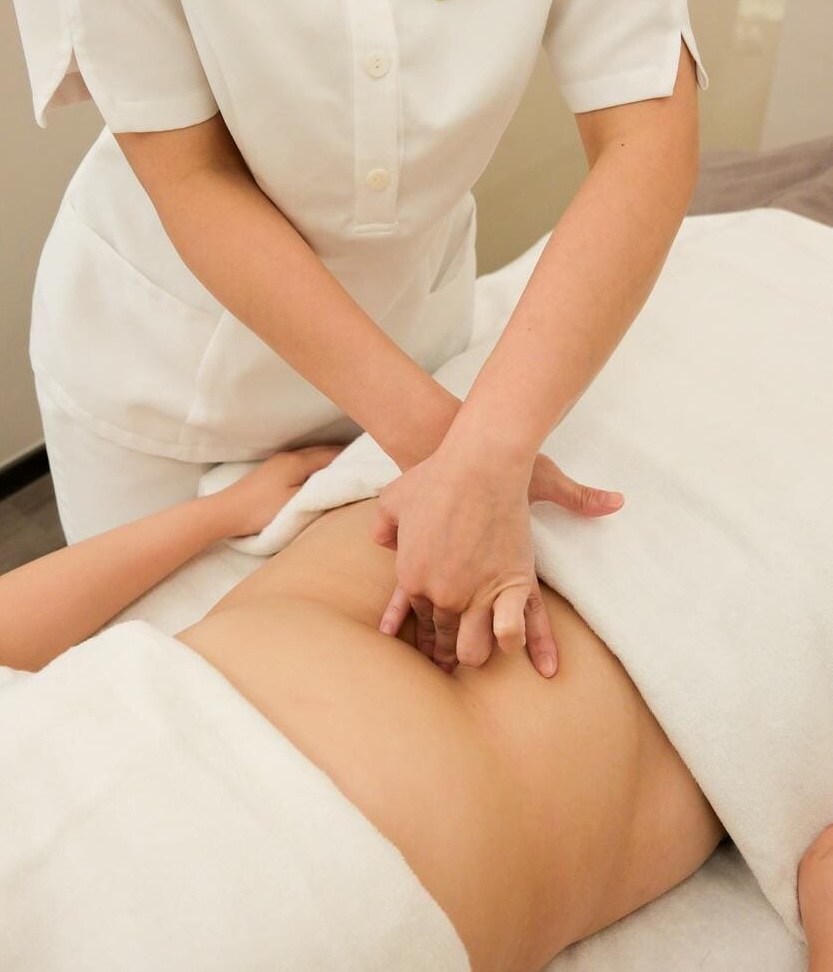
Step 1 – Abdominal massage

This massage follows the Ren and Chong meridians, two energy pathways in TCM that run through the lower abdomen and are traditionally linked to the uterus, ovaries and menstrual health. By working these specific points, the massage aims to increase circulation to the pelvic region itself, rather than the body more generally.

For mothers trying to conceive, focused circulation to the pelvic area is traditionally believed in TCM to support a healthier uterine environment and more regular cycles.

For postpartum recovery, the massage encourages the uterus to contract, helps disperse residual blood and lochia, and eases the afterpains that come with the uterus returning to its pre-pregnancy size.

Step 2 – Body Nova

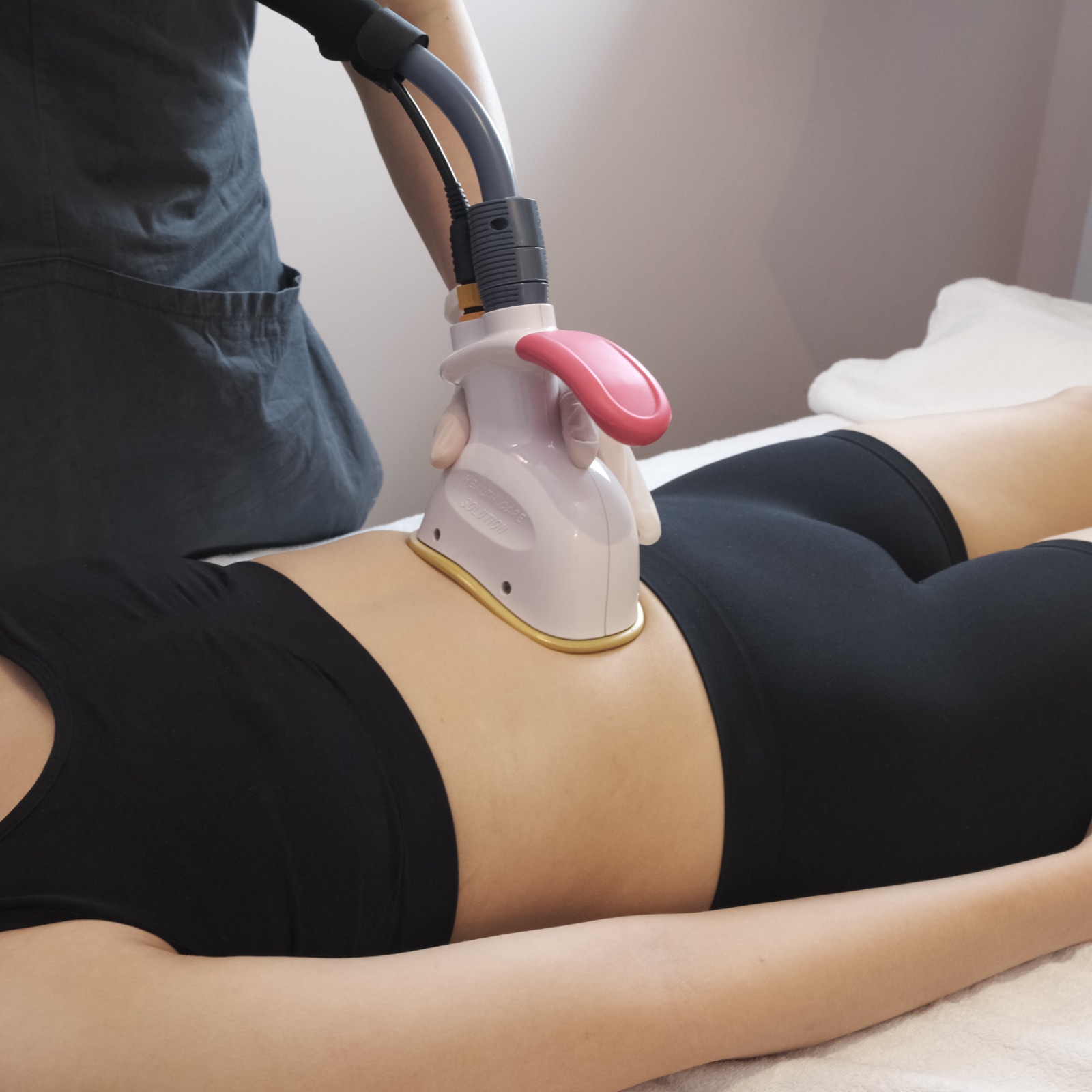
While the massage stimulates circulation through touch, infrared heat sustains it. The heat penetrates a few centimetres beneath the skin, deeper than surface heat like a hot towel, warming the abdominal wall and superficial pelvic region. This widens blood vessels, increasing circulation to the treated area, and relaxes muscle tension in a way manual massage alone can’t maintain over time.

For postpartum recovery, this matters in a few specific ways. The uterus shrinks back to size mainly through its own contractions, the same mechanism behind afterpains and breastfeeding triggered contractions, so heat doesn’t drive this process directly. But by improving circulation around the uterus and relaxing the surrounding abdominal muscles, it makes this natural process more comfortable and supports the tissue environment as it recovers. It’s also a well established way to ease cramping type pain, which is exactly what many mothers feel as the uterus contracts down. And because the abdominal wall is often tight or tender after carrying a pregnancy, the sustained warmth helps these muscles release, which also makes the massage more effective when the two are paired.

For mothers trying to conceive, the same sustained warmth supports consistent circulation to the reproductive organs between massage sessions, in keeping with the TCM principle that a warm, well perfused pelvic environment supports fertility.

The massage initiates targeted circulation to the womb. The heat sustains it. Used together, they give the body consistent support whether you’re preparing to conceive or recovering after birth.

Step 2 – Body Nova

While the massage stimulates circulation through touch, infrared heat sustains it. The heat penetrates a few centimetres beneath the skin, deeper than surface heat like a hot towel, warming the abdominal wall and superficial pelvic region. This widens blood vessels, increasing circulation to the treated area, and relaxes muscle tension in a way manual massage alone can’t maintain over time.

For postpartum recovery, this matters in a few specific ways. The uterus shrinks back to size mainly through its own contractions, the same mechanism behind afterpains and breastfeeding triggered contractions, so heat doesn’t drive this process directly. But by improving circulation around the uterus and relaxing the surrounding abdominal muscles, it makes this natural process more comfortable and supports the tissue environment as it recovers. It’s also a well established way to ease cramping type pain, which is exactly what many mothers feel as the uterus contracts down. And because the abdominal wall is often tight or tender after carrying a pregnancy, the sustained warmth helps these muscles release, which also makes the massage more effective when the two are paired.

For mothers trying to conceive, the same sustained warmth supports consistent circulation to the reproductive organs between massage sessions, in keeping with the TCM principle that a warm, well perfused pelvic environment supports fertility.

The massage initiates targeted circulation to the womb. The heat sustains it. Used together, they give the body consistent support whether you’re preparing to conceive or recovering after birth.

FAQ

It’s typically best to wait at least 6 weeks before starting on the womb treatment to allow your body to heal after childbirth.


Allow your body to recover for 1-2 months before considering to start on womb treatment.


Although you may not experience any issues, it’s always best to maintain your reproductive health by stimulating the womb which helps improve fertility and cramps.


Womb care therapy can be done frequently depending on ones needs and goals. We recommend to come at least once a month, while some may even benefit from once a week. Come down for a consult and our therapist will advice on the best treatment frequency for you!


Ready to start your treatment journey?

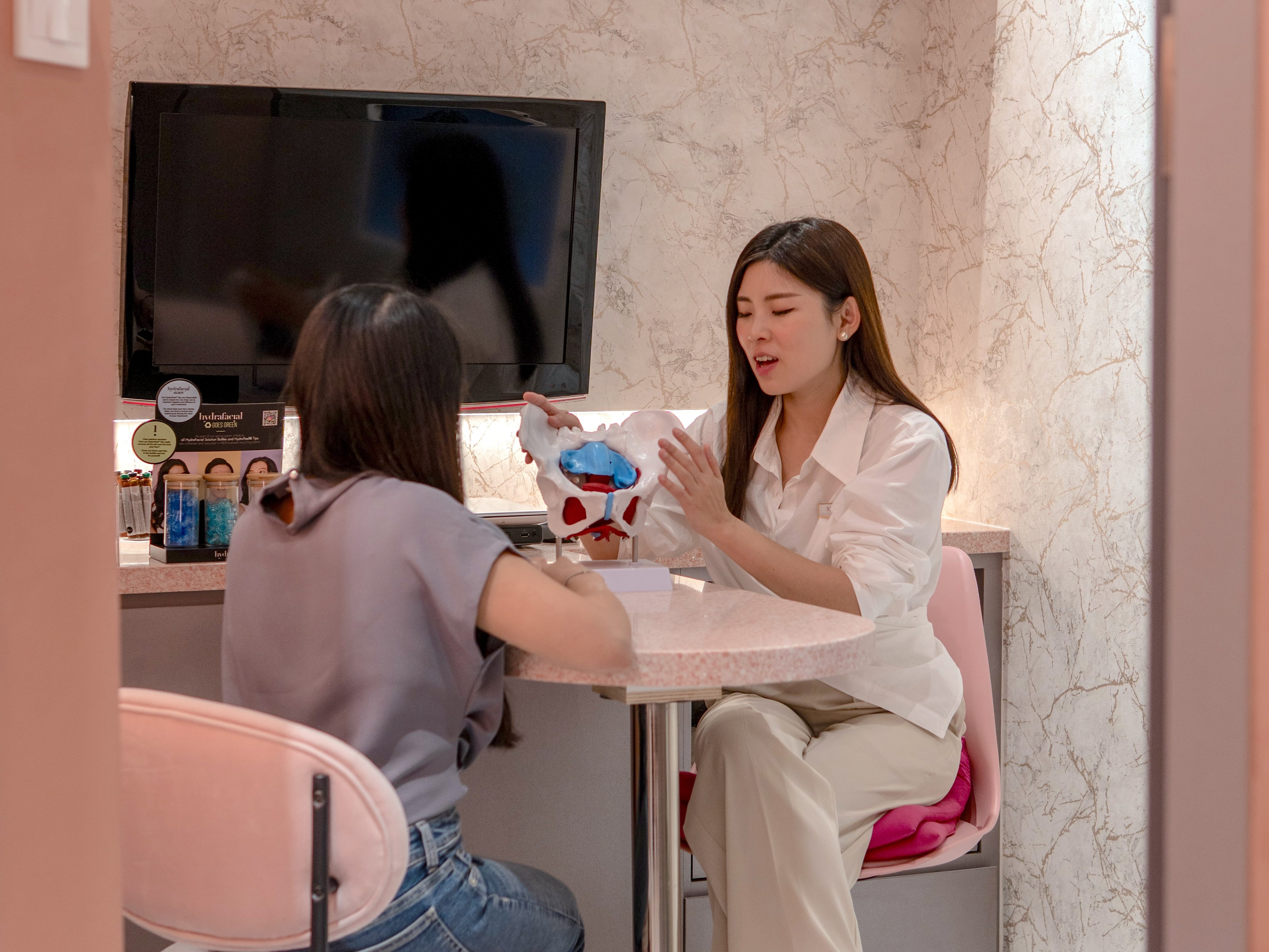
Book a personalised consultation and let our therapists guide you through a treatment plan tailored to your needs, goals, and stage of life.

Location

⚲ Pacific Plaza – 9 Scotts Road #02-03/04, Singapore 228210
FREE SHIPPING FOR ORDERS ABOVE $150